Queen Anne Bee
Firefly LaneQueen Anne Bee is the neighborhood weekly newspaper where Tully Hart begins working during the summer of 1977. Though the job pays little and her duties are routine, the newsroom gives her an entry into journalism and a place to learn by watching reporters at work. It marks a practical first step toward the larger ambition she has carried since childhood: becoming a reporter.
Identity and Role
Queen Anne Bee is described as Tully’s neighborhood weekly newspaper. It is not presented as a major broadcast outlet or as the destination of her ambitions; rather, it offers a small-scale beginning in the profession. The contrast between this local paper and the national television career she later pursues makes the job significant as an apprenticeship, not a culmination.
Tully’s First Journalism Job
The opportunity follows Tully’s determination to work in news. As a girl, she says she is going to become a reporter after hearing Mrs. Mularkey praise Jean Enersen as one of the first women to anchor a nightly news program. Years later, Tully applies to an ABC affiliate, but that effort does not immediately place her in the field. The Queen Anne Bee job is the more immediate opening: she gets work at the weekly and accepts duties commensurate with its meager hourly pay.
Work and Learning
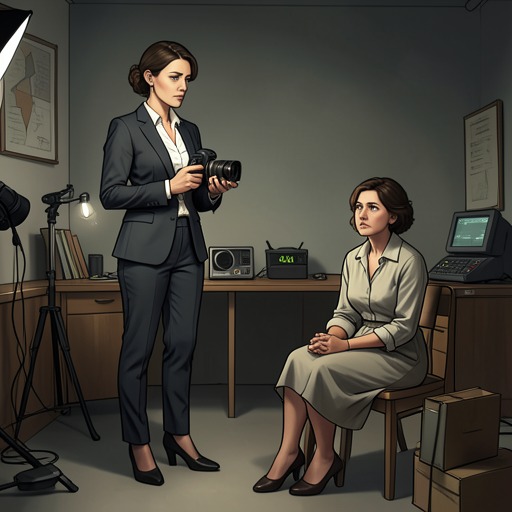
Tully spends almost every waking hour of the summer of 1977 in the paper’s small, cramped offices. Her tasks include following reporters, making copies, and delivering coffee. Although these responsibilities are modest, she treats the workplace as a chance to absorb everything she can about the business. The job’s importance lies partly in this unglamorous routine: before she can pursue stories herself, she learns by staying close to the people and processes of reporting.
Private Life and Lasting Significance
The work also shapes Tully’s summer choices. She turns down an invitation to join the Mularkeys’ annual camping trip because of her job and her grandmother’s declining health. She misses the family’s shared vacation, but remains committed to the opportunity at the paper. Each Sunday, she writes Kate Mularkey a detailed account of the week; one letter runs to eight pages and ends with her signature, “Best Friends Forever, Tully V.” The contrast between her workday immersion and her careful correspondence shows how the newspaper becomes part of a summer organized around both professional ambition and friendship. Queen Anne Bee supplies no promise of instant advancement, but it gives Tully a first sustained place in journalism and turns her dream into experience.